Economic Warfare, Militarized Diplomacy Are Brutal and Malfunctioning Tools
The Trump administration hurts the people it claims to be protecting.
On September 15, 1970, Richard Nixon ordered the CIA to “make the economy [of Chile] scream” (CIA Director Richard Helms’s actual note of the conversation can be seen here). But it wasn’t the economy that screamed: it was people.
“The economy” is an abstraction. The concrete reality of sanctions and embargos is people who are starving. Driving people to starvation has become the foreign policy of the United States.
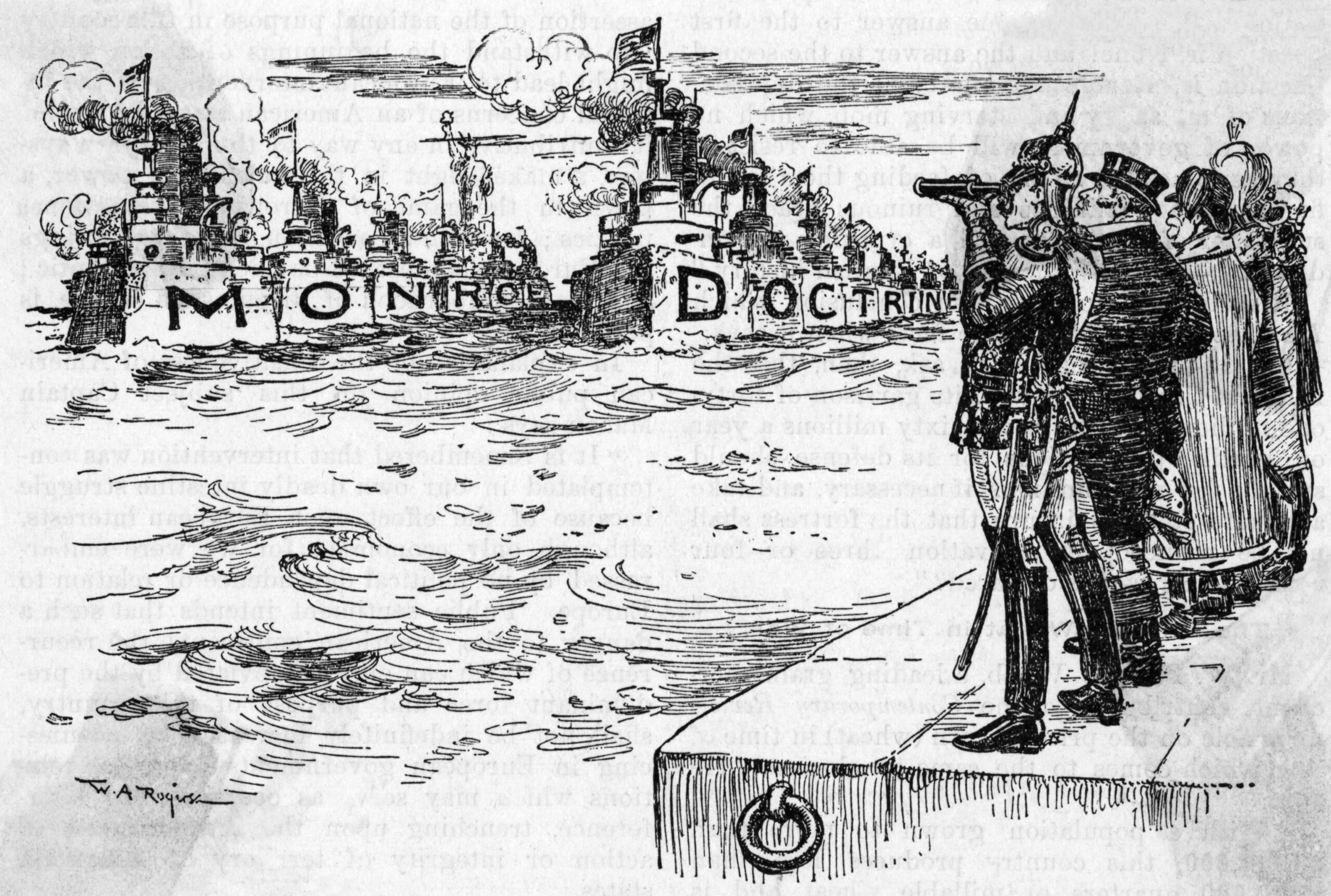
America has always struggled for its soul. In his book The True Flag, Stephen Kinzer pins the date the struggle began as 1898. That year, America confronted the choice between remembering its origins as a colony and remaining respectful of other nation’s sovereignty or becoming an expansionist power, discarding its conscience and pursuing conquest, colonialism, and coups.
As America approaches its 250th birthday, it is getting harder to remember that the nation once had conscience enough to confront the hard choice and struggle for its soul.
Statesmanship and diplomacy are endangered species. American evolution has favored the Pentagon and the Treasury. It is not diplomats, but real estate investors, Steve Witkoff and Jared Kushner, who haplessly attempt to negotiate settlements in Gaza, Ukraine, and Iran while Marco Rubio, supposedly America’s top diplomat, plays viceroy of Venezuela and conqueror of Cuba.
Secretary of Defense Pete Hegseth said that his department will “enhance our diplomatic position” and that “we will negotiate with bombs.” President Donald Trump has made clear that each round of bombing will be paused to give Iran a chance to agree to his terms, and that, if they don’t, the bombing would start again the next day until they do. Even now, after the U.S. and Iran have reached some kind of preliminary diplomatic agreement, to be signed on Friday, Trump is saying he might have to attack Iran again if the framework deal falls apart.
But it is not just military warfare that has pushed out diplomacy. As the Department of War has militarized diplomacy, so the Department of the Treasury has weaponized the dollar. Though it drops no bombs, economic warfare is warfare nonetheless. A landmark study published in The Lancet by Francisco Rodríguez, Silvio Rendón, and Mark Weisbrot found that unilateral U.S. sanctions are associated with death tolls similar to armed conflict.
They are designed to accomplish foreign policy goals by starving the very people the U.S. claims to be acting to protect. In 1960, President Dwight D. Eisenhower said of his proposed Cuba quarantine, “If they are hungry, they will throw Castro out.” More than half a century later, Secretary of State Mike Pompeo said that Iran will yield to U.S. demands if “they want their people to eat.”
Each American adversary is facing that same strategy today with growing cruelty. In The Russo-Ukrainian War: Follies of Empire, Richard Sakwa argues that the sanctions imposed on Russia are “all-out economic warfare on an unprecedented scale.” He says that “no other major country had ever been attacked in this way.” He says that the “unspoken… goal was regime change” but that the sanctions “made no distinction between punishing the elite and ordinary people.”
The same distorted policy is being pursued in Cuba today. Decades of embargo have impoverished Cuba. But that wasn’t enough. This year Trump decreed that “THERE WILL BE NO MORE OIL OR MONEY GOING TO CUBA – ZERO!” and signed an executive order imposing tariffs on any country that violates his diktat by selling oil to Cuba.
The embargo has not brought about regime change, but it has devastated the people of Cuba. The island is now regularly blacked out 20 hours a day. Adequate access to water, food, and healthcare is scarce. According to UN human rights chief Volker Türk, fuel shortages have cut food production by 60 percent: “Children are dying because doctors lack access to essential medical supplies and medicines.” Türk says that such sanctions “are incompatible with basic principles of international human rights law.”
Instead of heeding Türk’s call to immediately lift sanctions, the Trump administration is tightening its stranglehold on Cuba. “We have a pretty deep toolbox, especially when it comes to sanctions and enforcing them,” a senior administration official told Axios. “More is on the way.” The U.S. is tightening the economic strangulation in stages to effect “slow-motion constriction” of the regime, according to a second senior administration official.
The latest constriction was Rubio’s May announcement sanctioning GAESA, “a Cuban military-controlled umbrella enterprise” that the U.S. says controls 40 percent of the Cuban economy. The order includes secondary sanctions on companies that do business with GAESA. That led mining and shipping countries to flee the island nation. Spanish hotel chains Iberostar and Meliá are closing shop on dozens of hotels. Canadian Royalton Hotels & Resorts has also shut down its operations as tourism dries up. Canada is the number one source of tourism to Cuba. Its two biggest airlines, Air Canada and WestJet, have suspended all flights and vacations to Cuba. VISA and MasterCard are ending support for transactions by visitors in the country.
“We’ve never seen this kind of pressure,” said Max Meizlish, a former Treasury official who specialized in Cuba sanctions. “It’s an entirely new ballgame.”
The same approach has been taken in Iran, where, Treasury Secretary Scott Bessent explained, “the Iranian currency was on the verge of collapse… President Trump ordered… maximum pressure on Iran. And it’s worked, because in December, their economy collapsed… and this is why the people took to the street. This is economic statecraft.” Bessent told the Senate Banking Committee that “what we have done is created a dollar shortage in the country… The Iranian currency went into free fall, inflation exploded, and hence we have seen the Iranian people out on the street.”
The noose continued to tighten with more and more sanctions. And, in a continuing “effort to increase the economic pressure on Iran” that does not distinguish between the government and the citizens, Bessent announced at the end of May that the U.S. would seek to end “both Iranian airlines’ access to landing spots, refueling, and ticket sales.” And in a blatant act of robbery, Bessent revealed that the U.S. had seized $1 billion of Iranian cryptocurrency: “Just outright grabbed the wallets,” Bessent gloated.
In order to bring about regime change in Iran, the U.S. targeted the livelihood of the very people claimed to be protecting through regime change. The policy didn’t work. The Islamic Republic remains intact, and the framework deal reportedly involves U.S. concessions that the White House had previously ruled out. Negotiating with bombs didn’t work. Nor did economic strangulation. Rather, after a war of bombs and embargoes, Trump has returned to a negotiating table set much as it was before the war, but with Iran in a more prominent position.
Diplomacy has died in Washington. It has been replaced by military threats and warfare and, no less lethal, by economic warfare. Each sanctions regime is bigger and crueler than the last. In the struggle for America’s soul, conscience and leadership are losing to conquest, colonialism, and coups.
The post Economic Warfare, Militarized Diplomacy Are Brutal and Malfunctioning Tools appeared first on The American Conservative.